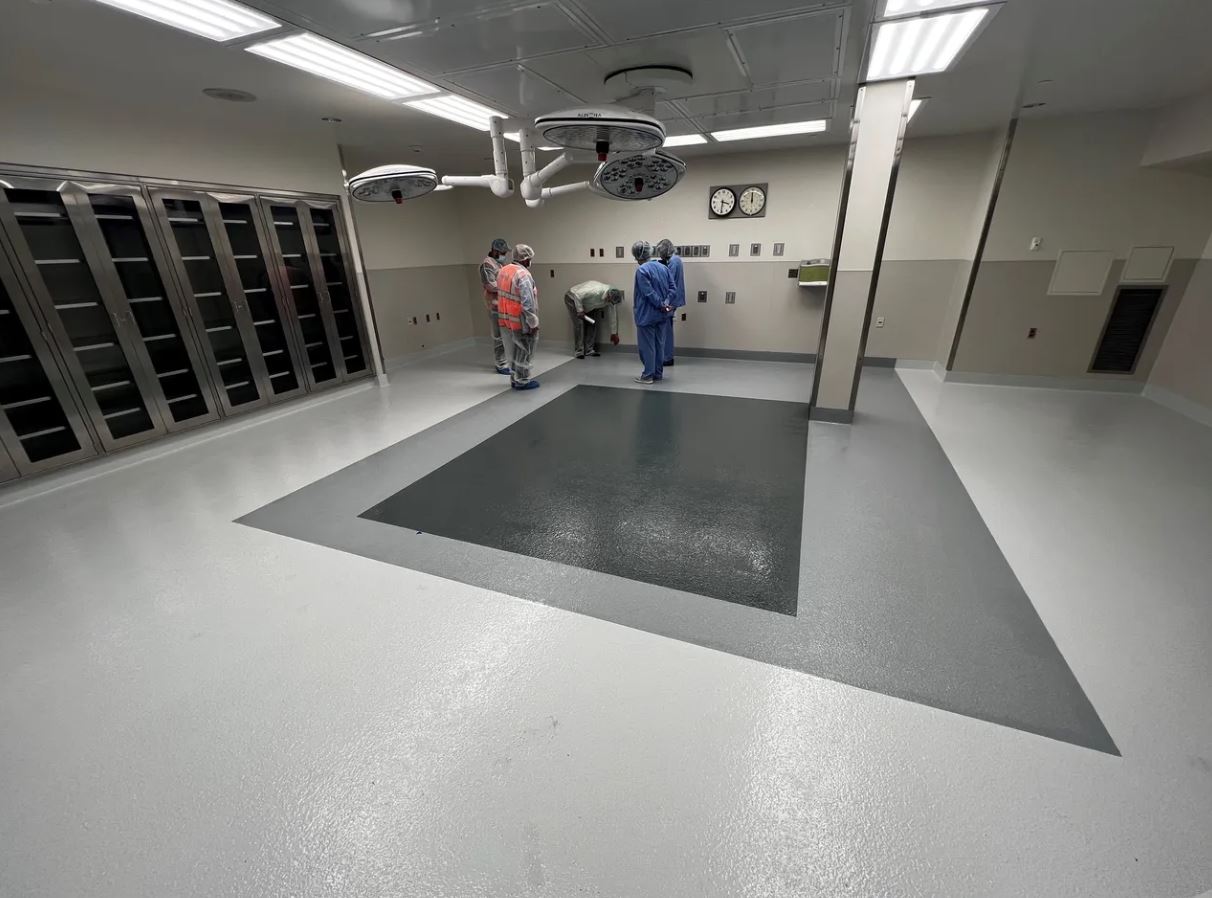
Epoxy coatings work well to restore concrete floors, and they are gaining popularity in Castle Rock. Here is why: They offer a durable finish and improve the look of any space.
For homeowners, epoxy floors mean less upkeep and a modern look. Real estate investors like them because they raise property value and attract renters. Small business owners gain from epoxy's resistance to foot traffic and spills, which keeps their spaces looking professional. Property managers value the long life and ease of cleaning, which cuts long-term upkeep costs. For builders, epoxy gives a reliable, attractive flooring choice that adds value to new buildings.
When we discuss restoring concrete, we mean fixing cracks, patching holes, and leveling surfaces. If you skip these steps and just add an epoxy coating, you risk failure. The coating will only be as good as the concrete below. Ignoring restoration can cause the epoxy to crack or peel, which wastes money and time.
Looks also matter. A restored and coated concrete floor can change a dull, gray space into a bright, inviting area. Searching for Flooring Contractor in Castle Rock with fair pricing and fast turnaround.. You can pick from many colors and finishes to match your style. The key is to prep the concrete well and apply the epoxy the right way. It calls for skill and care, but the results are worth it.
Let's discuss why concrete floors in Castle Rock sometimes need care. It's more than looks, though that is a perk. We will cover real problems that arise from our climate and ground.
Consider our temperature swings. Hot summers and freezing winters put stress on concrete. This leads to cracking. Water seeps in, freezes, and expands, causing spalling. The surface flakes and crumbles, which is not ideal.
Castle Rock has unique soil. This can cause settling issues. If the ground shifts, your concrete floor can shift with it. This leads to more cracks and uneven surfaces.
Garages often have oil and chemical spills. Basements can get damp and moldy. These soak into the concrete, leaving stains that are hard to remove.
Restoring your concrete floors is not just about looks. It prevents damage, keeps your property sound, and ensures safety. Ignoring problems makes them worse and more costly. A maintained floor looks better, which matters to homeowners and business owners.
Surface preparation matters a lot for a lasting epoxy finish. You can't just put epoxy on dirty, uneven concrete and expect good results. Think of it like painting a car; prep work makes up most of the process. If you skip steps, the epoxy will likely fail. This leads to peeling, bubbling, and frustration.
Begin with a complete cleaning. Remove all loose debris, dirt, oil, grease, and old coatings. Scrub with a degreaser and pressure washer. For tough stains, use a cleaner made for concrete. Don't skip this. Any leftover contaminants can stop the epoxy from sticking. This makes it lift or flake later. Be sure the concrete is fully dry before you move on.
Grinding the concrete makes a surface the epoxy can grip. It also gets rid of weak or damaged concrete. This exposes a solid surface. Use a concrete grinder with diamond pads. Start with a rough grit and move to a finer grit for a smoother finish. This opens the concrete pores. The epoxy can then enter and form a strong bond. Without grinding, the epoxy will sit on top. Then it's open to chipping and peeling.
Before epoxy, patch any cracks, holes, or flaws in the concrete. Use a patching product made for epoxy floors. Follow the directions closely. Be sure the patch is mixed and put on the right way. Let the patch cure fully. Then grind it even with the concrete around it. Ignoring these flaws will hurt the look of the floor. It can also hurt the epoxy coating.
Concrete moisture hurts epoxy. Too much moisture in the concrete can make the epoxy bubble, peel, or come apart. Test for moisture before you put on any epoxy. Tests can show the moisture in the concrete. If moisture is too high, fix the source. Or, use a system to stop moisture before you put on the epoxy. Do not skip this step.
Profiling the concrete means making a rough surface. This gives the epoxy something to grab. Different epoxy types need different levels of roughness. Check what the maker says. You can make the surface rough by grinding, shot blasting, or acid. The goal is a steady surface that lets the epoxy bond with the concrete. Getting this right matters for a lasting epoxy floor.
When you explore epoxy for concrete floor restoration, you have a few main types to consider. It's not a one-size-fits-all solution, especially with the range of needs in Castle Rock.
Solvent-based epoxy is the next option. It gives you a harder, more chemical-resistant finish. You might use this in a small auto shop or a restaurant kitchen. These places need more durability. The downside is the solvents; you need proper ventilation and safety gear.
Choosing the right system depends on what the floor will be used for. A decorative garage floor for a homeowner differs from a manufacturing plant. Consider the wear and tear the floor will face and how important chemical spill or stain resistance is. Looks matter, but durability should be the top priority, especially if you want the floor to last.
First, there's water-based epoxy. This works well for residential jobs or lighter commercial spaces. It has low VOCs, which is good for air quality, and it's easier to handle. It isn't the toughest option.
Then you have solids-based epoxy. This is for heavy-duty jobs. Think industrial settings, warehouses, and places with heavy machinery and constant traffic. It's very durable and chemical resistant, but it's also the most expensive and hardest to apply.
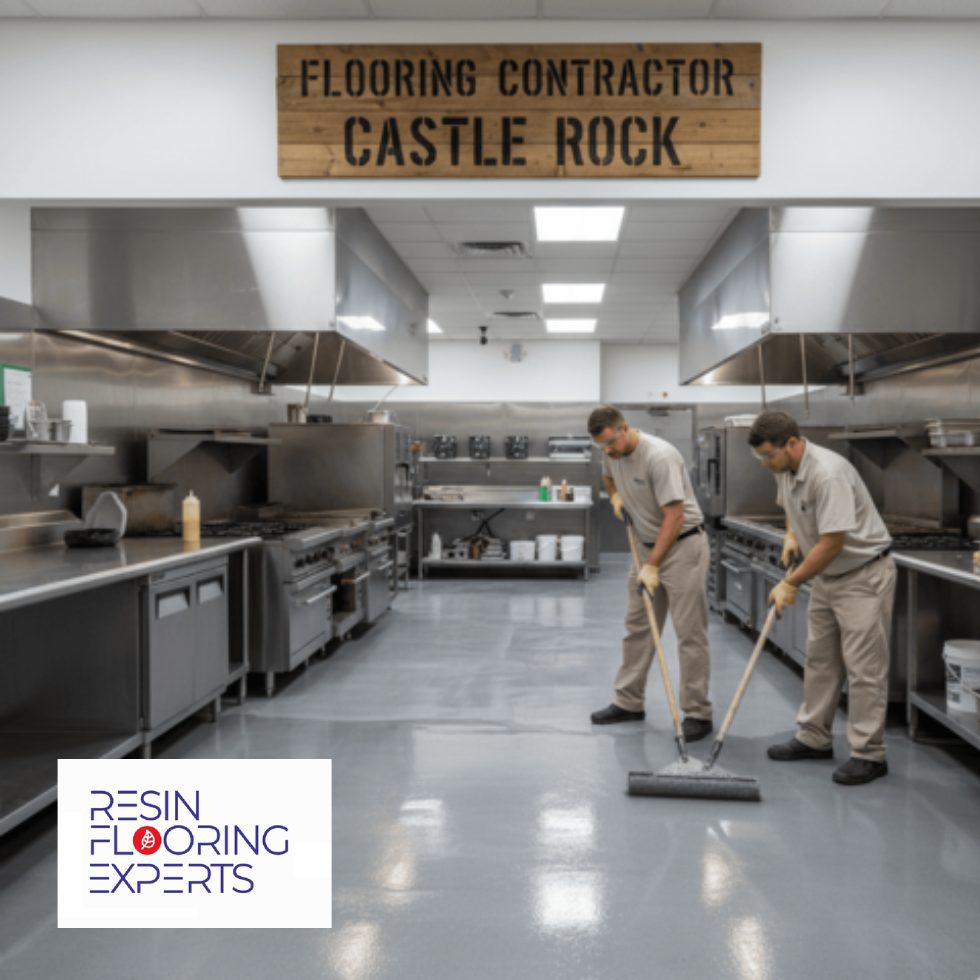
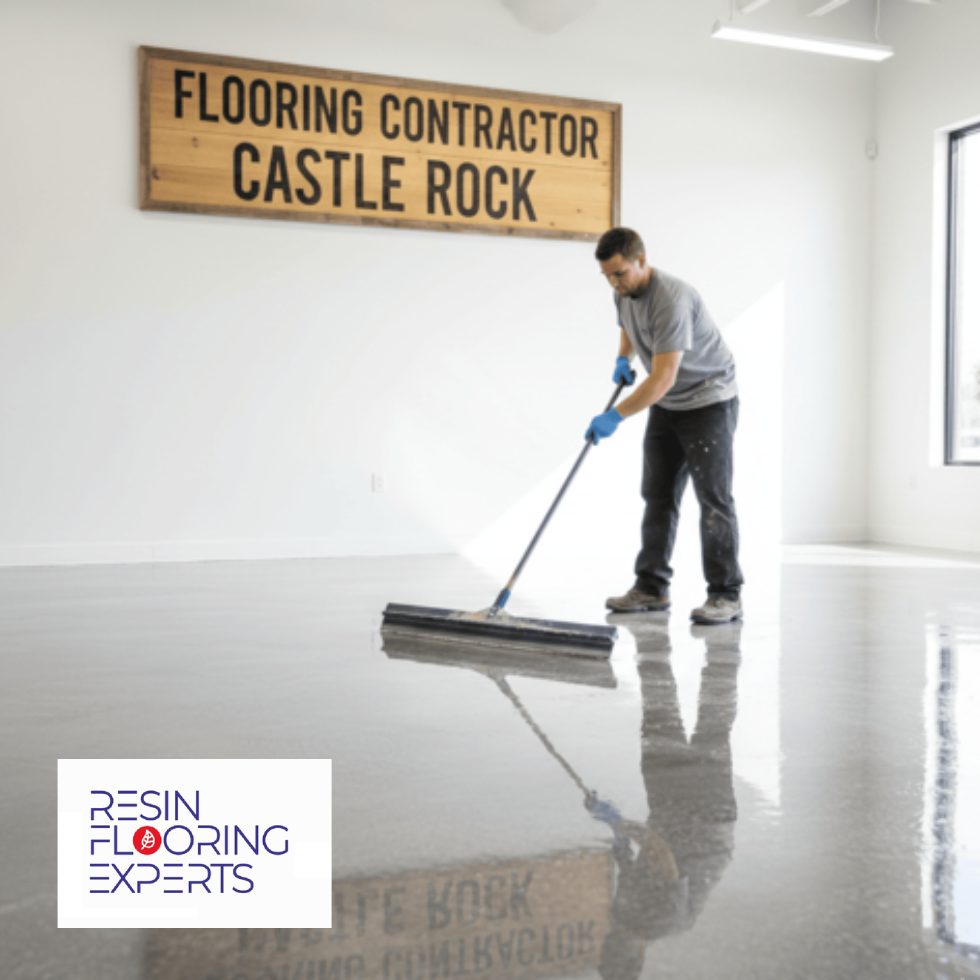
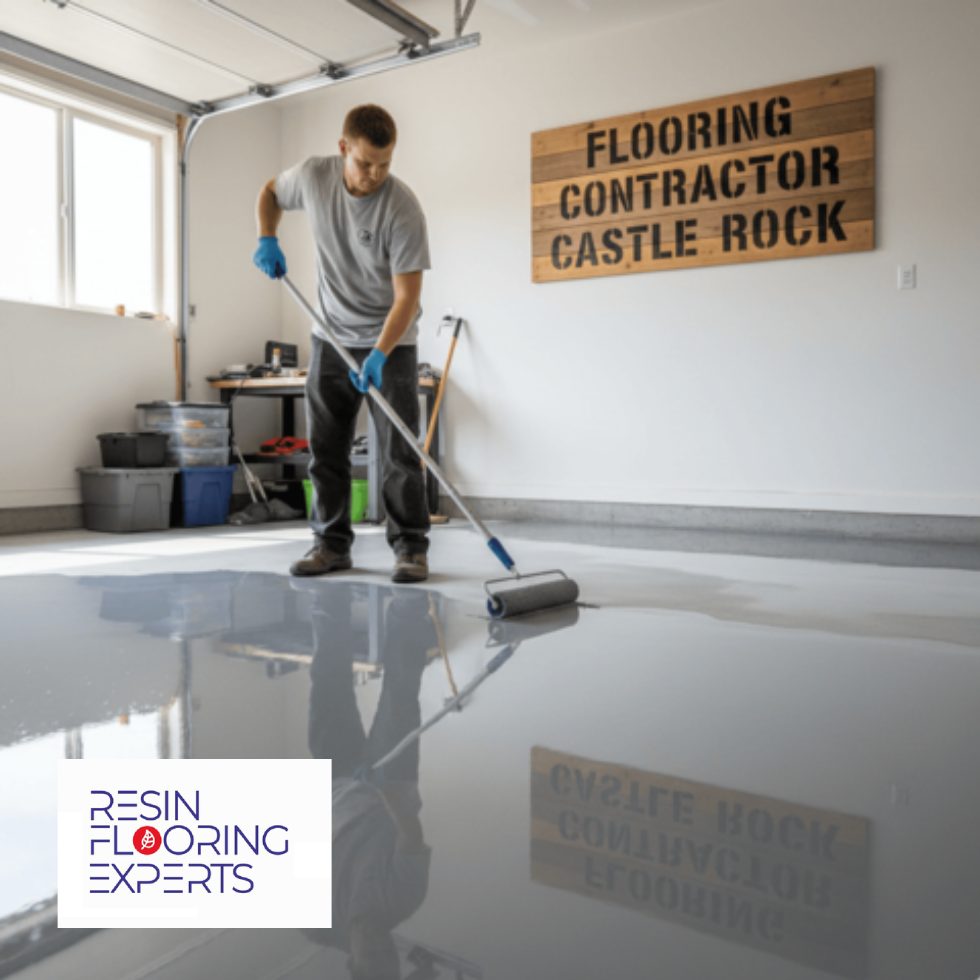
Let's discuss how to apply epoxy correctly. Mixing is important. Follow the manufacturer's instructions. Don't guess. Too much hardener makes it cure too fast and maybe crack. Not enough, and it stays sticky. Use a mixer on a drill to blend it well. Scrape the bucket's sides and bottom to incorporate everything.
For application, you have options. A squeegee works to get an even base coat, especially on larger areas. Next, back-roll it with a roller to smooth any squeegee lines and ensure even thickness. Some spray epoxy, which can work, but it requires equipment and masking. You need to know what you’re doing to avoid runs and drips.
Multi-coat systems provide durability. Let the first coat tack up. Usually, you can press a gloved finger on it, and it leaves a slight fingerprint, but no epoxy sticks to your glove. Then, apply the next coat. This creates a strong, bonded layer. Each coat must have the correct thickness. If it’s too thin, you won't get the protection you need. If it’s too thick, you risk bubbles or curing problems. Aim for the manufacturer's recommended mil thickness. A gauge helps you check this.
When you restore epoxy concrete, remember the decorative side. It's more than fixing cracks. Consider metallic pigments. They add a modern, upscale look. Clients love the shimmer, especially in showrooms or garages.
Next, consider flakes. They come in many colors and sizes, so you can create a custom blend. Scatter lightly for texture, or load them up for a terrazzo look. It depends on what the client wants. Quartz adds toughness and a natural, speckled look. It's great for busy areas where you want something strong and pretty.
Custom designs let you get creative. Want logos in the floor for a business? Easy. Geometric patterns? Sure. Use stencils, different epoxy colors, or embed objects. Just use good epoxy that handles the extra stuff and wear. If you skip prep or use the wrong epoxy, the design will fail. The result will not be great, and fixes will cost more. So, decorative options matter. They let you adjust the floor to the client's style and needs. That sets you apart.
You just installed an epoxy floor. What's next? Curing matters. Don't walk on it right away. Follow the manufacturer's advice. Expect to wait 24–72 hours for light foot traffic. Wait a full 7 days for heavy use.
Temperature and humidity are also important. Aim for 60–90°F and humidity below 75%. If it's too cold, the epoxy might not cure right. Too humid, and you could see clouding or surface issues. Watch the weather. Use a dehumidifier or heater if needed.
Protecting the floor is also key. During construction, use cardboard or ram board. Once cured, use mats at entrances to catch dirt. Regular cleaning with mild detergent and water helps. Avoid harsh chemicals or abrasive cleaners.
Think about a top coat sealer. It adds protection from scratches and stains, mainly in busy areas. Reapply it every year or two, depending on wear. Treat it well, and the epoxy floor will last.
So, you're applying epoxy to a concrete floor, and things go wrong? It happens. Bubbles are a common issue. Often, air trapped in the concrete escapes into the epoxy as it cures. Ensure your concrete is prepped and sealed well. You might need a primer coat to seal the concrete before the epoxy.
What about fisheyes? These are small craters that appear. Contamination is almost always the cause—oil, silicone, or even dust. Cleanliness is key. Be obsessively clean. Wipe everything with the right solvent before you start.
Uneven curing is another problem. This can happen if you don't mix the epoxy components well enough or use incorrect ratios. Follow the manufacturer's instructions exactly. Temperature also matters. If it's too cold, the epoxy won't cure correctly. If it's too hot, it will cure too fast and cause other problems. Keep the room temperature within the recommended range.
Messing up an epoxy floor is annoying and costly. You waste materials and time. You might have to grind everything down and start over. Take your time, prep right, and don’t cut corners. A little extra effort now saves trouble later.
You have an epoxy floor. Great choice! Now, keeping it looking good requires more than just the install. It is a long-term commitment. Regular cleaning is your first defense. Sweep up dirt and debris often. This prevents scratches from foot traffic.
For cleaning, use gentle, pH-neutral cleaners. Avoid harsh chemicals. They can dull or damage the finish. Mop often, and clean spills right away. Stains happen. For most, warm water and mild detergent works. For tougher stains like oil or grease, use a cleaner made for epoxy.
What about prevention? Use mats! Put them at entrances to catch dirt before it reaches the epoxy. Furniture pads are also a must. They protect against scratches from chairs and tables. Also, think about a wax coating. It adds protection that you can reapply as needed, without damage. It is like a clear coat for your floor. Do this, and your epoxy floor will look great for years.
Let's discuss the actual costs of epoxy concrete restoration. It involves more than just applying epoxy. You have to consider all factors.
First, consider materials. Epoxy prices differ based on quality and type. Cheaper isn't always better, especially for longevity. Include the cost of patching compounds, primers, or sealers. Also, factor in equipment rental or purchase costs: grinders, mixers, and application tools. These costs add up.
Labor is another major factor. Will you do it yourself, or hire a crew? A professional crew will complete the job faster and better, but it will cost more. Consider their experience level. More experience costs more, but reduces errors.
How can you save money? Surface preparation is key. Doing it right prevents rework. Get several material quotes and negotiate. Buying in bulk can get a discount. Proper maintenance extends the floor's life, preventing future work. Skimping now increases future costs.
When you work with concrete floor coatings and epoxy in Castle Rock, you can't just slap it on and hope for the best. There are rules. You must consider local rules and building codes. It's not the most thrilling part of the job, but ignoring it can cause big problems later, like fines and re-dos.
One big thing to watch is VOCs, or Volatile Organic Compounds. Castle Rock, like many places, limits how much VOCs your coatings can release. This is about air quality, so check the product specs carefully. Make sure you use compliant materials. You might need to switch to a low-VOC or zero-VOC epoxy to stay within the rules. It's worth the extra cost and effort.
Also, remember to dispose of waste materials properly. Leftover epoxy, cleaning solvents, and used containers must be handled according to local hazardous waste rules. Don't just toss them in the dumpster. Call the city or county to get details on how to dispose of waste properly.
You might need permits, depending on the job size. New construction almost always needs them, and some renovation projects do too. Check with the Castle Rock building department before you start. It’s better to ask for permission.
Let's examine some real-world examples. We have completed many epoxy concrete restoration projects in Castle Rock, and the results are always impressive.
One homeowner had a garage floor that was cracked and looked bad. It was chipping, creating dust, and it was a safety risk. We ground down the old surface and repaired the cracks with an epoxy filler. Then, we applied a multi-layer epoxy coating. The change was amazing. Now, it’s a clean, lasting, and slip-resistant surface. Also, it brightened up the whole garage.
Another project involved a small business warehouse. Forklift traffic and chemical spills constantly damaged their concrete floor. Damage like that can cause bigger problems: structural issues and safety risks for employees. We used a tough epoxy system made for industrial use. It resists chemicals, abrasion, and impact. The business has seen less floor damage and lower maintenance costs since then. It’s not just about looks. It’s about protecting their investment and keeping their employees safe.
These examples show the range of benefits from epoxy concrete restoration: better appearance, more durability, greater safety, and lower costs over time. If you’re dealing with damaged concrete floors, think about this option.


When it comes to epoxy concrete restoration, hiring a pro makes sense. You could try to do it yourself, but concrete work can be tricky.
A flooring contractor brings experience. They have seen all kinds of damage, from small cracks to major breaks. They know how to prep the surface, which matters for epoxy sticking. They also know about epoxy types and have the tools needed.
Here is why: A bad epoxy job can look bad and fail fast. This costs you more later. Peeling, bubbles, and uneven spots show a DIY mistake. Professionals give warranties, so you are covered if problems arise. It gives you peace of mind.
Consider this: Real estate investors, property managers, and homeowners want lasting floors. A professional epoxy install helps the property's value and life. It lowers the risk of future issues and costs. If you are a builder, doing it right saves time and money.
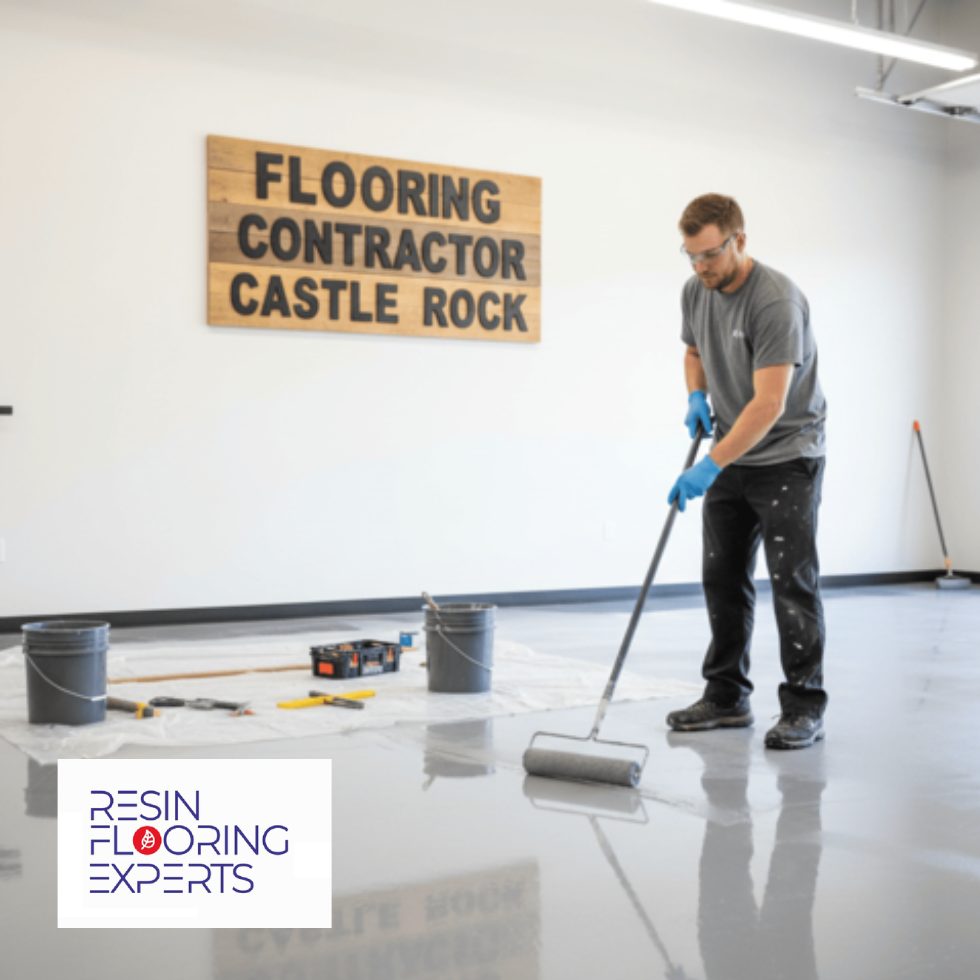
Epoxy concrete restoration does more than make floors look good. It is a smart choice that pays off, especially in Castle Rock's tough weather.
Consider this: cracked concrete is a hazard. Someone could trip, or moisture could seep in and cause bigger issues. Restoration stops those problems.
Epoxy coatings make a tough surface. This protects concrete from stains, chemicals, and heavy use. For homeowners, that means less cleaning. For businesses, floors handle daily wear without looking worn.
Real estate investors, pay attention: restored concrete floors are a selling point. They look good, are tough, and add value. Plus, it is cheaper than replacing the floor. Builders, offer epoxy coatings as an upgrade. Buyers will like this feature.
Do not wait until your concrete falls apart. If you see cracks or stains, call us. We can check the damage and suggest a restoration plan. Let's make your floors look great and last!